Cranston RI Neighborhood Home Prices by Sub-Market
August 6, 2026
August 6, 2026
A homeowner in Pawtuxet Village went to the Cranston Historic District Commission in January 2026 for conditional approval to demolish a Post Road home, then returned in March with an architect and revised drawings before the commission would sign off on the rebuild. That two-month round trip is the part of a Cranston transaction that no citywide statistic will ever show you. It is also the clearest signal that Cranston is not one market. It is three, and the price tags overlap just enough to make the difference invisible on a search portal.
If you are comparing Rhode Island towns from a spreadsheet, Cranston looks like a mid-market suburban city with a median hovering in the mid-four-hundreds. Zoom in and the story falls apart. The same budget buys a historic waterfront bungalow with committee oversight, or a mid-century home on an established interior lot, or a brand-new colonial on nearly an acre off Pippen Orchard Road. Which one you end up in has less to do with price and more to do with land supply and how comfortable you are with a preservation review.
Depending on the source, the 2026 citywide picture reads as $452,500 with 2.2 months of supply and homes moving in 28 days, a Zillow ZHVI of $455,895 as of May 2026, or a Redfin median sale price of $476,000 with a 26-day average and a competitive score of 87 out of 100. Cranston's overall listing inventory sits above 1,000 properties across three ZIP codes, with 02921 skewing the top of the range well past $900,000 and 02910 anchoring the lower end.
That spread is the tell. When a single city's median-sold values span from under $200,000 to over $900,000 across three ZIPs, the citywide number is an arithmetic accident, not a description of what you can buy. What matters is which of the three sub-markets you are actually shopping in.
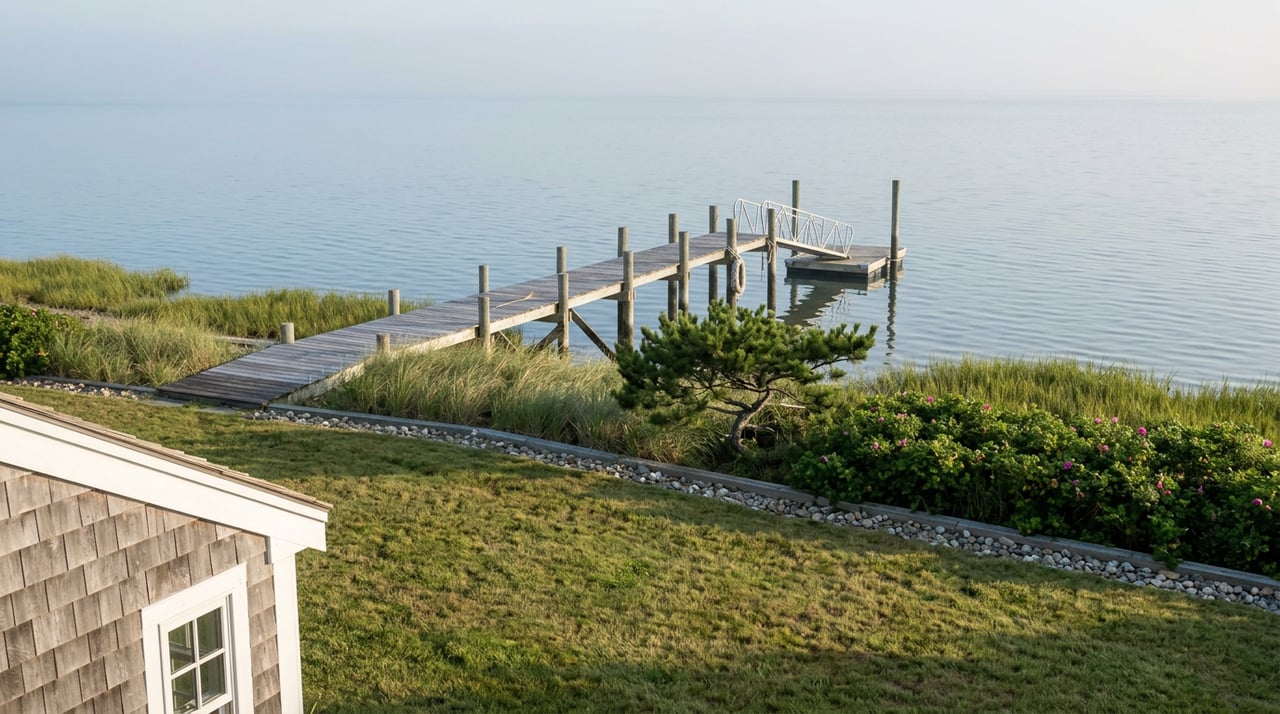
Edgewood runs from Roger Williams Park down to the Providence River, with the historic salt marshes of Stillhouse Cove and the Rhode Island Yacht Club anchoring the waterfront edge. The housing stock is largely pre-1940, dominated by bungalows, Capes, American Foursquares, and Queen Annes. Local guides put the Edgewood 12-month median at $485,000, up about 3 percent, with homes moving in 31 days. Movoto's June 2026 read had list-price medians closer to $449,000. Rents average around $2,470 a month.
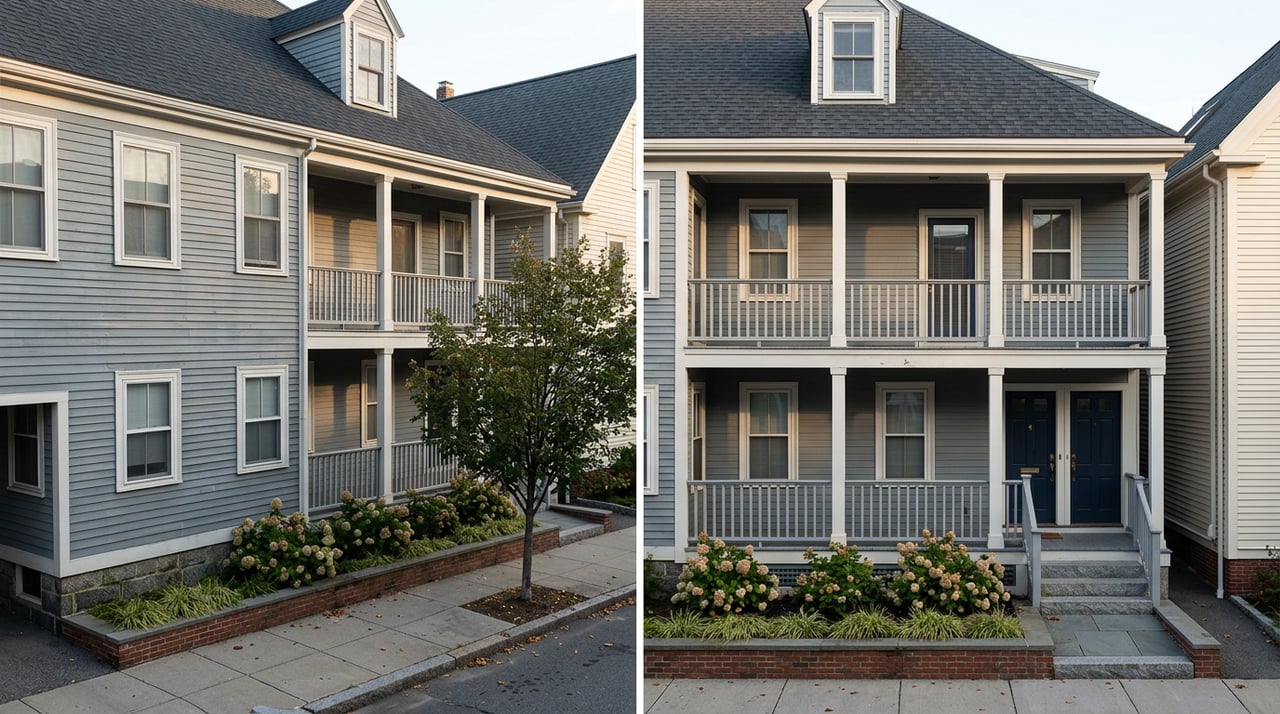
The pricing is not the interesting number. The interesting number is that the Warwick side of Pawtuxet Village has been a local historic district since 1989, while the Cranston side has not yet passed the ordinance that would extend the same protection, despite two separate attempts by the Historic District Commission. What that means in practice for a buyer: the commission still reviews demolitions and exterior work on contributing properties in Pawtuxet Village, and, as the Post Road case in early 2026 demonstrated, reconstruction plans go through multiple rounds of drawings before approval. If you are buying in Edgewood or the Cranston side of Pawtuxet Village with a renovation in mind, your architect will meet the commission before your contractor breaks ground. Budget for that time.
The offset is a walking pattern that no Western Cranston subdivision can replicate. Residents live within a few blocks of the small business district around Broad Street, the harbor walk, Stillhouse Cove, the Edgewood and Pawtuxet Cove yacht clubs, and community programming from the Pawtuxet Village Association and Friends of Pawtuxet Village, including the annual holiday tree lighting in Pawtuxet Park and the long-running Taste of Pawtuxet Village at Rhodes on the Pawtuxet. Buyers who value that walking radius accept the review process as part of the deal. Buyers who do not, do not belong here.
Move west of I-95 into the middle band of the city and you are in a different transaction entirely. Dean Estates, Garden Hills, and the neighborhoods around Garden City Center are mid-twentieth-century suburban stock on interior lots, close to shopping and Roger Williams Park but off the water. Movoto's August 2026 pull put Dean Estates list-price medians at $779,000 with a 10-day median time on market, a 37 percent drop in days on market year over year.
That $779,000 figure surprises people who anchored on the citywide median. It should not. What you are paying for in central Cranston is a mature lot, established landscaping, a house that has been through several owner cycles of updates, and a location that keeps a commute to downtown Providence around four miles without asking you to accept either a preservation review or a builder's timeline. The market moves fast because that combination is finite. The city is largely built out here, so a buyer competing for Dean Estates inventory is competing on price and preparation, not on selection.
The friction in this sub-market is not regulatory. It is inventory. If the specific street matters to you, you will wait, and while you wait, comparable homes in Western Cranston will keep closing at similar prices with land you can actually change.
Cross to the west side of the city and the arithmetic inverts. The average sale price in Western Cranston over the trailing 12 months reads around $710,000, up roughly 20 percent, and new-construction listings carry a median around $760,000. The reason is straightforward: this is where the buildable land is.
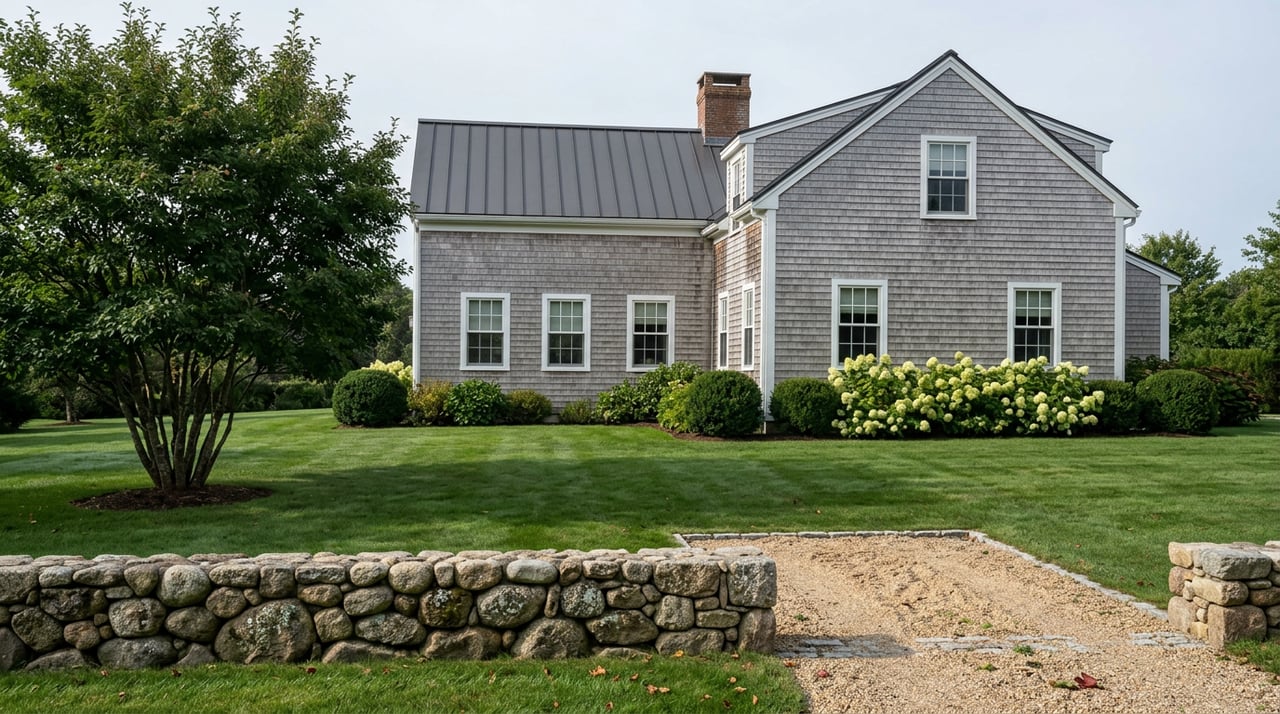
The named subdivisions currently shaping the sub-market include Ridgewood Estates off Pippen Orchard Road, where 2.2-acre lots are supporting four-bedroom colonials with dual primary suites; the Preserve at Pippin Orchard, an eight-lot Meridian Custom Homes subdivision off Scituate Avenue served by natural gas, city water, and sewer; and Lantern Hill Estates, where custom colonials on wooded lots are being marketed with proximity to I-295. Other pockets around Alpine Estates and Camden View round out the newer inventory.
What that budget actually buys in Western Cranston: nearly an acre of privacy, a floor plan you helped choose, a first-year builder's real estate tax exemption on some projects, and a commute clock that runs 15 minutes to Providence and 5 minutes to I-295. What it does not buy: walking distance to a village center, a mature tree canopy, or a house you can move into next month. The Preserve at Pippin Orchard homes with April 2026 completion dates were listed with contingencies tied to the build schedule, which is the correct frame for anyone underwriting a rate lock or an interim housing plan.
| Sub-market | House you get for around $500K | Lot | Move-in reality |
|---|---|---|---|
| Edgewood or Cranston-side Pawtuxet | Pre-1940 bungalow, Cape, or Foursquare within walking distance of Stillhouse Cove | Small urban lot, often historic | Move-in ready, but exterior changes route through the Historic District Commission |
| Central Cranston | Updated mid-century home in Dean Estates, Garden Hills, or an interior street near Garden City | Established quarter to third of an acre | Ready to occupy, competing offers common at 10 to 30 days on market |
| Western Cranston | A smaller footprint or a townhome unit at Orchard-style developments; $500K will not clear the median new build here | Larger, wooded, often approaching an acre | Timeline runs with the builder's schedule, not yours |
The table is the point. Three transactions, three timelines, three sets of unwritten rules, all sitting under one citywide median that will tell you none of it.
How much weight should the Historic District Commission actually carry in an Edgewood or Pawtuxet offer? Enough to shape your inspection contingency and your renovation budget. Cosmetic interior work is unaffected. Exterior alterations, additions, and any demolition move on the commission's calendar, which meets on a published schedule and, in recent cases, has asked for revised drawings before final approval.
Is Western Cranston pricing sustainable, or is it a new-construction bubble? The 20 percent trailing move reflects the composition of what is closing, not organic appreciation across identical homes. As the current Pippin Orchard subdivisions finish out, the mix of new versus resale in the sub-market will normalize and pull the average toward the actual house-level trend. Read the sub-market's price per square foot before you read its average.
Where does an investor look in Cranston right now? Edgewood retains a two-family and small multi-family inventory rare in the newer parts of the city, and vacancy sits low. Owner-occupant duplex plays and ADU-approved lots in Western Cranston are the other end of the same investment thesis, with the tradeoff being construction risk against turnkey rent.
If you are weighing an offer in one of these three sub-markets and want a read on which friction actually matters for your timeline, Lorraine Perri is available to walk through the specifics of the Cranston market with you. Let's connect.
Stay up to date on the latest real estate trends.
Connect with a real estate professional who values trust, insight, and personal attention. Every step is guided by a deep understanding of what “home” truly means.