College Hill Charm: Architecture, Culture, And Everyday Living
June 25, 2026
June 25, 2026
Looking for a Providence neighborhood with real character? College Hill stands out for its historic streets, layered architecture, and daily rhythm shaped by art, education, and city living. If you are thinking about buying in this part of Providence, it helps to understand not just how it looks, but how it lives. Let’s dive in.
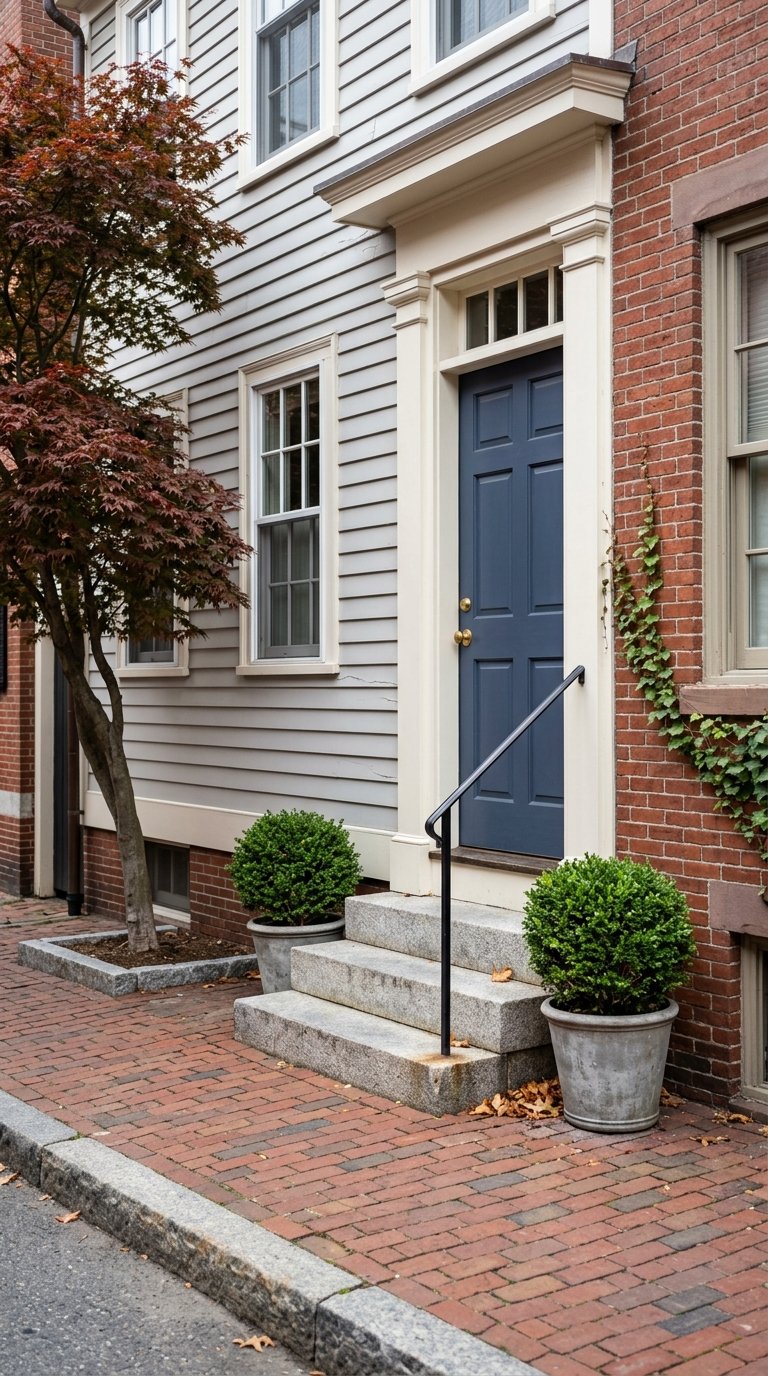
College Hill is one of Providence’s oldest residential areas, and that history still shapes the neighborhood today. The City of Providence describes it as the site of Rhode Island’s first permanent colonial settlement and notes that it contains one of the city’s most distinguished collections of historic architecture.
That sense of place is easy to feel as you move through the neighborhood. Benefit Street, established in 1756, is known as Providence’s Mile of History, and the broader area remains primarily residential while also including Brown University and RISD. You get a setting that feels rooted and active at the same time.
The architectural identity of College Hill is one of its biggest draws. Federal preservation records list the College Hill Historic District for its architecture and engineering significance, with a period of significance stretching from 1600 to 1899 and a notable presence of mid-19th-century revival styles.
This is not a neighborhood defined by one single look. Along the crest of the hill, Brown highlights landmarks like University Hall from 1770, Hope College from 1822, Manning Hall from 1834, and Rhode Island Hall from 1840. These buildings help tell the story of how the neighborhood developed over time.
College Hill is not preserved like a museum piece. Brown describes the area as a mix of brick quadrangles, scenic greens, modern architecture, and renovated centuries-old structures. RISD shows a similar pattern through its Hill Houses, which are renovated historic homes used as small residential communities.
For you as a buyer, that matters. It points to a neighborhood where older buildings continue to serve modern needs, often with updates that support contemporary living while keeping historic character intact.
Even with major institutions nearby, College Hill remains deeply residential. City planning documents describe it that way, and Brown’s housing materials also point to many apartments and multi-bedroom houses in the area around campus.
That overlap creates a very specific housing landscape. You may see historic homes, converted residences, apartments, and other properties that reflect both the neighborhood’s age and its continued use as a lived-in part of Providence.
One reason College Hill feels so layered is its concentration of cultural institutions. In a relatively small area, you are close to museums, galleries, historic landmarks, and long-standing civic spaces that shape everyday life.
The RISD Museum alone holds about 100,000 works of fine and decorative art and is described as the only comprehensive art museum in southeastern New England. The Providence Art Club, founded in 1880, occupies historic buildings on College Hill and offers free public galleries. The Providence Athenæum has also been part of the city’s cultural life for nearly 200 years.
Culture here is not limited to formal institutions. The John Brown House Museum on Power Street presents exhibits on Rhode Island history, and the Old State House is recognized by the Rhode Island Historical Preservation and Heritage Commission as an architectural landmark in the College Hill Historic District.
Nearby historic sites also include the First Baptist Church in America. Together, these landmarks add depth to daily walks and reinforce the feeling that College Hill connects Providence’s past with its present.
College Hill works well for people who want a walkable city lifestyle in a historic setting. Brown describes the area around campus as having grocery shopping, cafes, and restaurants within walking distance, while RISD points to Thayer Street for dining, shopping, and entertainment.
Brown also describes College Hill as historic architecture paired with laid-back coffee shops on tree-lined streets. That combination helps explain the neighborhood’s everyday appeal. You can enjoy a city environment without losing the sense of being in a distinct residential area.
Living in College Hill means sharing space with institutions that help define the neighborhood. Brown and RISD are both part of the local landscape, and their presence shapes traffic patterns, housing demand, and the overall pace of the area.
For some buyers, that energy is a plus. For others, it means taking a close look at the specific block, building type, and access needs that matter most to your routine.
If you are exploring homes in College Hill, expect a housing story tied closely to older structures and adaptive reuse. Brown notes that the neighborhood includes many apartments and multi-bedroom houses, and its Brown-to-Brown housing program places Brown-owned houses on College Hill in residential neighborhoods close to campus for family residential use.
RISD’s Hill Houses offer another snapshot of the area’s built environment. These are renovated historic homes with shared living features, which reflects a broader local pattern of preserving older buildings while adapting them for current needs.
In practical terms, buying in College Hill often means looking beyond surface charm. Historic homes can offer architectural detail, location, and lasting character, but they may also come with property-specific considerations related to layout, updates, and ongoing upkeep.
That is one reason local guidance matters. In a neighborhood with such varied housing stock, understanding the differences from one property to the next can help you make a more confident decision.
Parking is part of the College Hill conversation, and it is best to approach it with clear expectations. The City of Providence says overnight parking permits are available to more residents, including students from Providence-based colleges and universities, with permits priced at $100 per year for Providence-registered cars and $200 per year for out-of-city cars.
There are also limits to keep in mind. The city allows up to two permits per household or unit, college dormitories are not eligible, and permit parking is only available in designated resident permit parking areas.
Parking on College Hill is managed block by block, not with one neighborhood-wide rule. Providence’s regulations note that some streets are excluded based on width or arterial status.
For you, that means parking should be part of your property review, not an afterthought. A home’s block, permit eligibility, and daily routine can all influence how convenient the area feels.
Transit access is a real advantage in this part of Providence. The downtown Amtrak and MBTA station is at 100 Gaspee Street, RIPTA includes College Hill in the Providence Village service area, and downtown Providence contains the state’s main bus and train terminals.
The Providence Art Club notes that its College Hill location is about a five-minute walk from both the Providence Amtrak Station and Kennedy Plaza Bus Terminal. Combined with the neighborhood’s walkable access to shops, cafes, and restaurants, that makes College Hill especially appealing if you value being connected without relying on a car for every trip.
College Hill often appeals to buyers who want more than square footage alone. If you value historic streets, cultural access, walkability, and a close connection to downtown Providence, this neighborhood offers a lifestyle that is hard to duplicate.
It may be especially appealing if you are comfortable with the trade-offs that come with dense urban neighborhoods. In College Hill, the rewards are often charm, access, and atmosphere, while the practical side includes planning around parking, older housing stock, and a busier institutional setting.
A neighborhood like College Hill deserves a thoughtful approach. Two homes can be close together and still offer very different experiences depending on street conditions, property style, and how the building has been updated over time.
When you look at College Hill through both a lifestyle and property lens, you can better match the neighborhood to your goals. That is where clear communication and local insight make a real difference. If you are considering a move in Providence and want tailored guidance on neighborhoods, historic housing, or property value, Lorraine Perri is here to help.
Stay up to date on the latest real estate trends.
Connect with a real estate professional who values trust, insight, and personal attention. Every step is guided by a deep understanding of what “home” truly means.