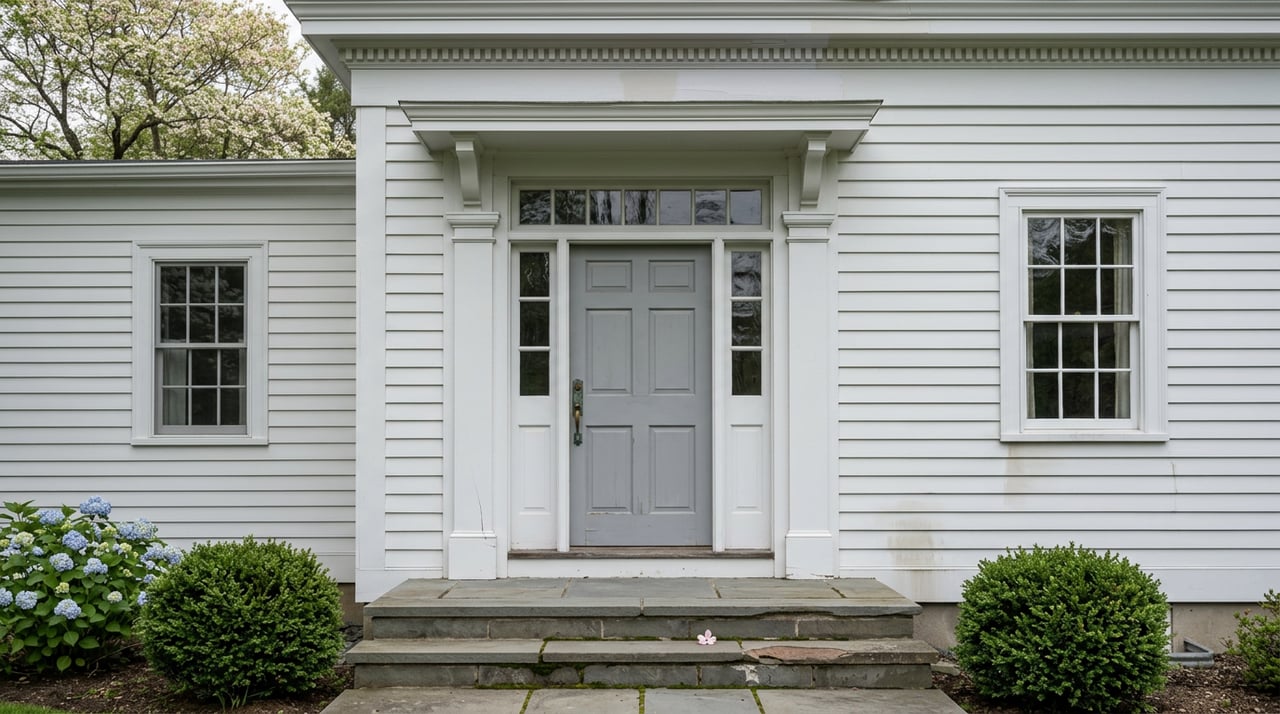
In Newport's Historic District, the Approval Doesn't Come With the House
August 13, 2026
August 13, 2026
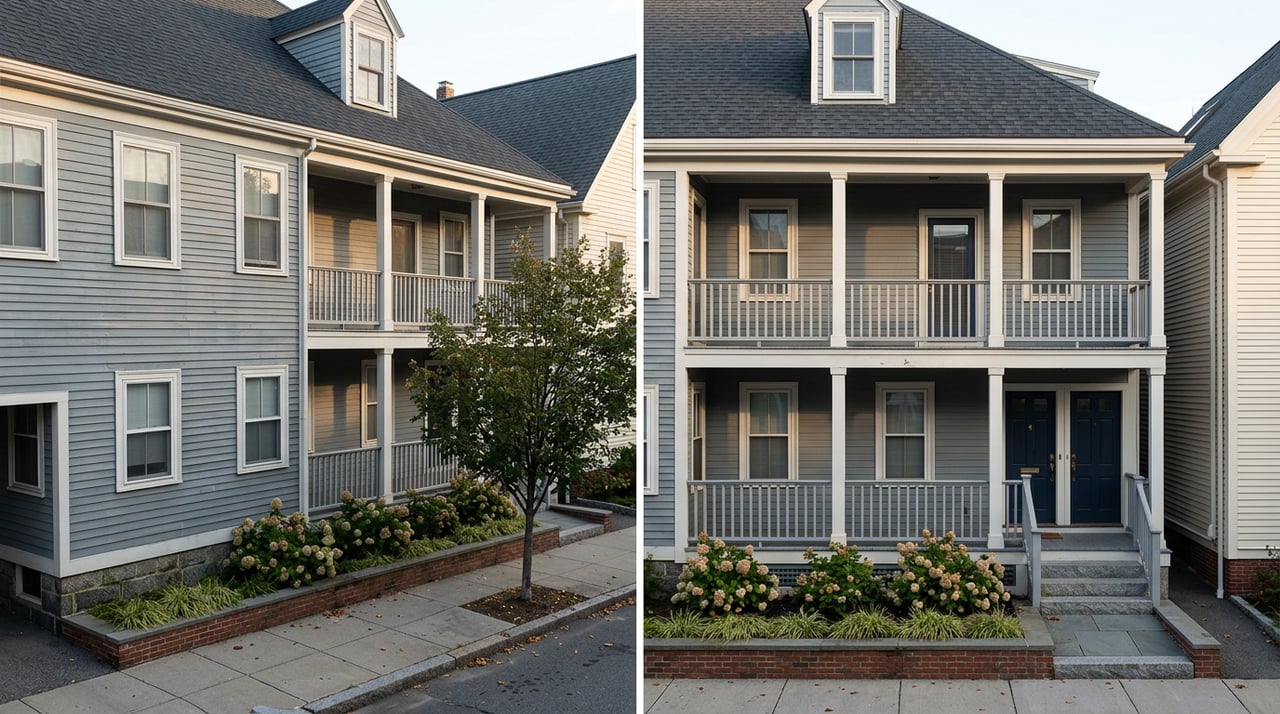
Walk down Division Street in Newport and you will pass a house mid-restoration that has outlived at least one owner. The file at City Hall on 84 Division Street tells the story in fragments: an original Certificate of Appropriateness issued back in 2020, a string of follow-up approvals and modifications, some exterior damage from exposure during the gap between them, and a change of ownership before the work was finished. The entity now finishing the job, 84 Division St LLC, had to come back to the Historic District Commission in late 2023 just to get everyone, including the commission, aligned on what the house actually looked like at that point and what was still approved to happen to it.
That file is not an outlier. It is what happens when people assume a historic district approval belongs to the house. It doesn't. It belongs to a specific scope of work, on a clock, and when the owner or the plan changes, the clock can reset.
If you own, are selling, or are under contract on a contributing structure inside Newport's historic district, that distinction is the thing to understand before anything else about paint colors or window mullions.
Newport's Historic District Commission requires a Certificate of Appropriateness, or COA, before a property owner can begin exterior construction, alteration, repair, removal, or demolition on a home inside the local historic district. That much is broadly known and shows up in most general guides to owning a historic Newport property.
What gets less attention is what the COA actually covers. Under the city's application procedures, a Certificate of Appropriateness is valid only for the specific work approved and only for one year. It can be extended one additional year, but only if the owner submits a written request before the original certificate expires. Any change to the project, including changes required by a separate zoning review or by the Coastal Resources Management Council, or any unanticipated condition that shows up once construction starts, has to go back through the commission or planning staff before work continues.
So a seller who tells a buyer "we already got HDC approval for the addition" is describing a moving target, not a settled fact. The real questions are when that approval expires, whether the scope still matches what's being marketed, and whether the buyer's actual plans, once they own the house, will need a fresh filing.
It is tempting to file historic district review under "mansion problems," something that applies mainly to Bellevue Avenue estates. It doesn't. The Newport Historic District covers roughly 250 acres, about 40 percent of the city, and runs from the colonial houses clustered around Easton's Point in the north, through Washington Square and the shops along Thames Street, up the rise toward the Bellevue Avenue neighborhoods. Of the roughly 392 buildings inside the boundary, most are considered contributing structures, meaning changes to their exteriors draw the closest scrutiny under the commission's own standards.
Practically, that means a large share of what gets listed in central Newport, not just waterfront estates, carries some version of this friction. A Colonial on a side street off Thames is just as subject to COA review as a Gilded Age cottage near Ocean Drive, if its exterior is visible from a public street.
The mechanics of the review calendar matter more than most sellers expect, because there is no fast lane.
Newport's Historic District Commission meets once a month, and the current application packet sets the submission deadline for completed applications as the second Tuesday of each month for the following month's meeting. A few details from that process are easy to miss until they cost you a cycle:
The commission's own February 10, 2026 meeting minutes make the point better than any summary. On the same agenda, Mary D. DesPrez's application to replace a garage door with carriage-style doors at 160 Webster Street had its second part continued to the following month's meeting. Meanwhile the Newport Restoration Foundation's application for a full exterior restoration at 32 Clarke Street, covering in-kind clapboard and window repair, a full asbestos roof replacement with new yellow cedar shingles, and new copper chimney cap and gutters, was approved outright at that same meeting, citing specific sections of the city's preservation standards. A far larger scope cleared in a single sitting while a garage door did not finish in one. Scope size is not what predicts speed. Preparation and representation in the room are.
That same meeting also saw Jacqueline Ivory's application at 11 Guerney Court, covering new Marvin Ultimate wood windows with simulated divided lights and a new double front door, get amended in the room itself, with the applicant's architect present, to satisfy the commission's concerns about the number of front doors and chimney treatment before it was approved. The lesson repeats across these filings: decisions get made in the room, and if you are not represented in that room with a complete file, you wait for next month.
If your property sits inside the historic district and any exterior work is planned, pending, or already underway, a few things are worth nailing down before the listing goes live:
For property-specific questions about pending applications, the city's Preservation Planner, Jillian Chin, can be reached directly at (401) 845-5415. That's the fastest way to confirm status rather than relying on paperwork that may already be a year old.
Buyers planning to finish or start exterior work after closing inherit the same rules the seller was working under, not a fresh start. If the seller's COA covers a different scope than what you intend to do (different windows, a different addition footprint, different siding), that difference has to go back through the commission before you touch the exterior. Given the one-meeting-a-month rhythm and the documentation standards described above, it is worth building that lead time into your renovation budget the same way you'd budget for a contractor's schedule. Newport's historic streetscape rewards patience during the design phase far more than during a scramble to hit a closing date.
Does a Certificate of Appropriateness transfer automatically when a house sells? The certificate stays tied to the approved scope of work rather than to a specific owner, but if that scope changes, or if the certificate has expired, the new owner has to go back through the same review process.
What happens if a project is mid-construction at closing? The buyer typically inherits the existing certificate's remaining term and conditions. It's worth confirming the expiration date and any conditions attached to approval, such as material substitutions the commission required, before finalizing the purchase.
Is there a way to appeal a continuance? The commission continues applications when it needs more information or when representation or documentation is incomplete. The practical path forward is usually resubmission with the missing pieces addressed for the next month's meeting, not a formal appeal.
Historic district review is not a reason to avoid Newport's most character-rich streets. It's a reason to walk into a listing or a purchase with the actual paperwork in hand rather than an assumption about what "already approved" means. If you're weighing a historic Newport property against options elsewhere on the island, our Newport neighborhood guide is a good place to see how the district's streets compare block by block. And if you're trying to figure out what your own historic property might be worth given its current approval status, a home valuation is a useful place to start that conversation.
Newport's historic streets reward buyers and sellers who do their homework early. If you're weighing a listing, a purchase, or a renovation timeline inside the district, Lorraine Perri is glad to walk through what the paperwork actually says before you make your next move. Let's Connect.
Stay up to date on the latest real estate trends.

Connect with a real estate professional who values trust, insight, and personal attention. Every step is guided by a deep understanding of what “home” truly means.